It's October, the leaves are coming down, and so is your dog. Tumbleweeds of fur in the hallway, a fuzzy layer on your black leggings, a brush that fills up in thirty seconds. If you're wondering why your dog is shedding so much in fall, the short answer is that it's usually normal. Your dog is swapping a summer coat for a winter one. The longer answer, and what you can actually do about it, is below.
Why is my dog shedding so much in fall?
Most dogs shed a little all year, then shed a lot twice a year: once in spring and once in fall. Groomers call it "blowing coat."
The main trigger is daylight. As the days get shorter, your dog's body gets the signal that winter is on its way. It lets go of the lighter summer coat and starts growing a denser, warmer undercoat. The old hair has to come out to make room for the new, and it tends to come out all at once over a few weeks.
Which dogs shed the most in fall?
Double-coated breeds have the most dramatic seasonal shed. They have a coarse outer coat on top and a soft, fluffy undercoat underneath, and it's mostly that undercoat that comes out in clumps. Think Huskies, German Shepherds, Golden and Labrador Retrievers, Corgis, Australian Shepherds, Pomeranians and Bernese Mountain Dogs.
Single-coated dogs, like Poodles, Bichons, Maltese and many terriers, usually don't have a big seasonal blowout. Their hair grows longer and sheds more gradually.
Why indoor dogs can shed all year
Dogs who spend most of their time inside, with lamps on in the evening and the heat or AC running, don't always get a clear "seasons are changing" signal. Some of them end up shedding at a steady, moderate level all year instead of in two big waves. That's normal too. It just means you get a little less drama in October and a little more fur in, say, February.
How long does fall shedding last?
For most dogs, the heavy part of a seasonal shed lasts somewhere around two to four weeks. Thick double-coated breeds can take longer, especially if the loose undercoat isn't being brushed out and stays trapped in the coat.
That last bit is the important part. Dead undercoat that stays put doesn't just come out on your couch later. It can pack down against the skin, trap moisture and turn into mats. Regular brushing doesn't make your dog shed more hair overall. It just gets the hair that's already loose out faster, into a bin instead of onto your floor.
How to get through shedding season (and keep the fur off your stuff)
1. Brush little and often
During a coat blow, a few minutes of brushing most days beats one long session on Sunday. Short sessions are easier on your dog, easier on your back, and they keep the loose undercoat from building up.
For double coats, a slicker brush reaches down into the undercoat. Brush in the direction the hair grows, in light, short strokes, working in sections. You don't need to press hard. The Self-Cleaning Slicker Brush is the one we reach for in October, mostly because you press a button and the fur slides off the pins in one sheet instead of you picking it out with your fingers twenty times per session.
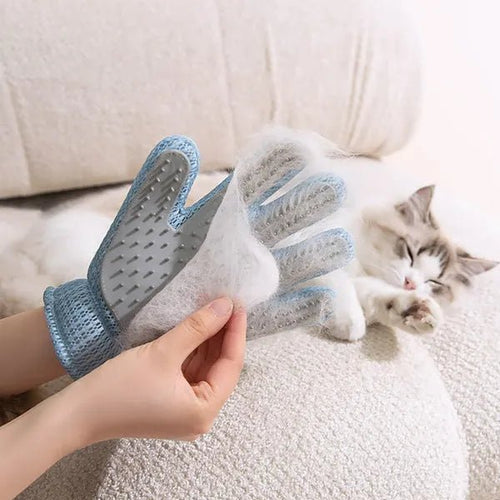
Short-coated dogs who aren't fans of brushes often do better with a grooming glove. It feels like petting, and the loose hair collects on the palm.
If you want a full step-by-step routine, our guide on how to deshed a dog at home walks through it section by section.
2. Brush outside or in one spot
On a dry day, brush on the porch or in the yard. Inside, pick one easy-to-clean spot, like the bathroom or a bare floor, and lay down an old sheet. Fur that lands on a sheet gets shaken out once. Fur that lands on the rug gets vacuumed for a week.
3. A bath can help loosen the undercoat
A bath with lukewarm water and a dog shampoo can help release a lot of loose undercoat in one go. The key is drying. Towel off well, then brush once your dog is fully dry, since a damp double coat that's left to air dry can hold onto moisture close to the skin. Don't overdo it either. Bathing too often can dry out the skin, so during shedding season, an extra bath or two is plenty for most dogs.
4. Please don't shave a double-coated dog
It's tempting. It feels like the fastest way to end the fur problem. But a double coat helps insulate your dog from both cold and heat, and after a close shave it can grow back patchy or uneven. Most groomers will steer you away from it for exactly that reason. Brushing out the undercoat gives you the "lighter" coat without the risks.
5. Feed a complete, balanced diet
A healthy coat starts on the inside. If your dog eats a complete and balanced dog food and is otherwise healthy, you usually don't need to add anything. If you're curious about supplements like fish oil, ask your vet first. They can tell you whether it makes sense for your dog and how much to give.
6. Defend the furniture
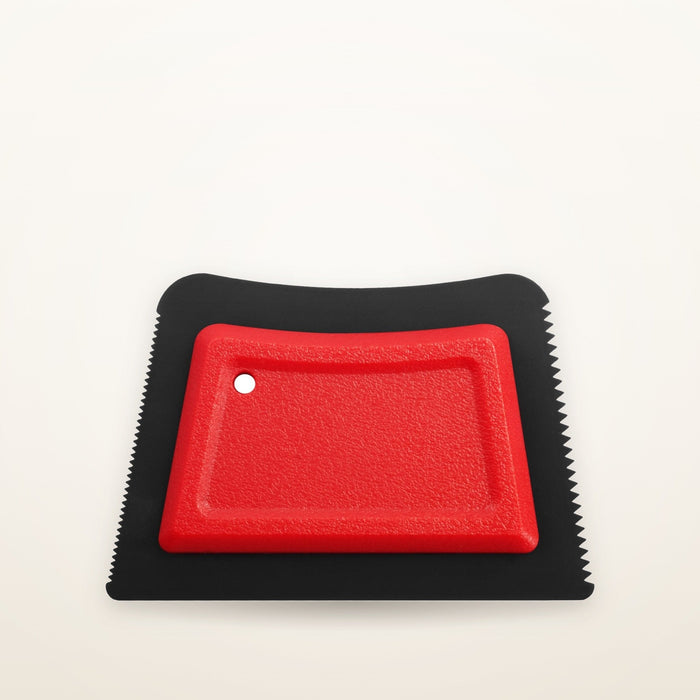
Even with a great brushing routine, some fur is going to land on the couch. A washable throw on your dog's favorite spot does a lot of the work. Wash it weekly during shedding season. For hair that's already woven into upholstery or car seats, a rubber tool like our Pet Hair Remover pulls it up into clumps without sticky refills. We have more tricks in how to get dog hair off your couch.
And for your clothes: keep a lint roller by the front door and the "dog clothes" (the hoodie you brush in) separate from the "going out" clothes. It sounds obvious, but it saves a lot of fur on black pants.
When shedding isn't just shedding
Seasonal shedding is even. The coat thins out all over, the skin underneath looks normal, and your dog acts like themselves. Talk to your vet if you notice any of the following:
- Bald patches or thin spots, rather than overall thinning
- Red, flaky, scabby or greasy skin
- A lot of scratching, licking, chewing or rubbing
- A strong odor from the skin or coat
- Heavy shedding that keeps going well past a few weeks, or happens outside the usual seasons
- Shedding together with other changes, like weight loss or gain, low energy, or changes in appetite or thirst
Fleas, allergies, skin infections, stress and some health conditions can all cause extra hair loss, and they need a proper diagnosis rather than a better brush. Also remember that fleas don't always disappear when the weather cools, especially once the heat comes on indoors, so keep up with whatever flea prevention your vet recommends.
Fall shedding FAQ
Is it normal for my dog to shed more in fall?
Yes. Shorter days signal your dog to drop the summer coat and grow a thicker winter one. Double-coated breeds tend to shed the most. If the skin looks healthy and your dog is acting normally, it's very likely just the season.
How often should I brush my dog during shedding season?
For double-coated dogs, a few minutes most days during the heavy weeks works well. For short coats, a few times a week is usually enough. Shorter, more frequent sessions are easier for most dogs to tolerate.
Can I stop my dog from shedding?
No, and you wouldn't want to. Shedding is how the coat renews itself. What you can control is where the fur ends up: in a brush and in the trash, instead of on your couch and clothes.
Should I take my dog to a groomer for shedding?
You don't have to, but a professional deshedding session can be a big help for thick-coated breeds, especially if the undercoat has started to pack down or mat. Regular brushing at home between visits keeps it from building up again.